


M.D. of Bighorn Real Estate Statistics
| Average Price | $3.1M |
|---|---|
| Lowest Price | $500K |
| Highest Price | $32.5M |
| Total Listings | 21 |
| Avg. Days On Market | 84 |
| Avg. Price/SQFT | $1.4K |
Property Types (active listings)
See the Newest M.D. of Bighorn, Alberta Acreages 1+ Acre
- All Listings
- $400,000 - $500,000
- $500,000 - $600,000
- $700,000 - $800,000
- $900,000 - $1,000,000
- Over $1,000,000
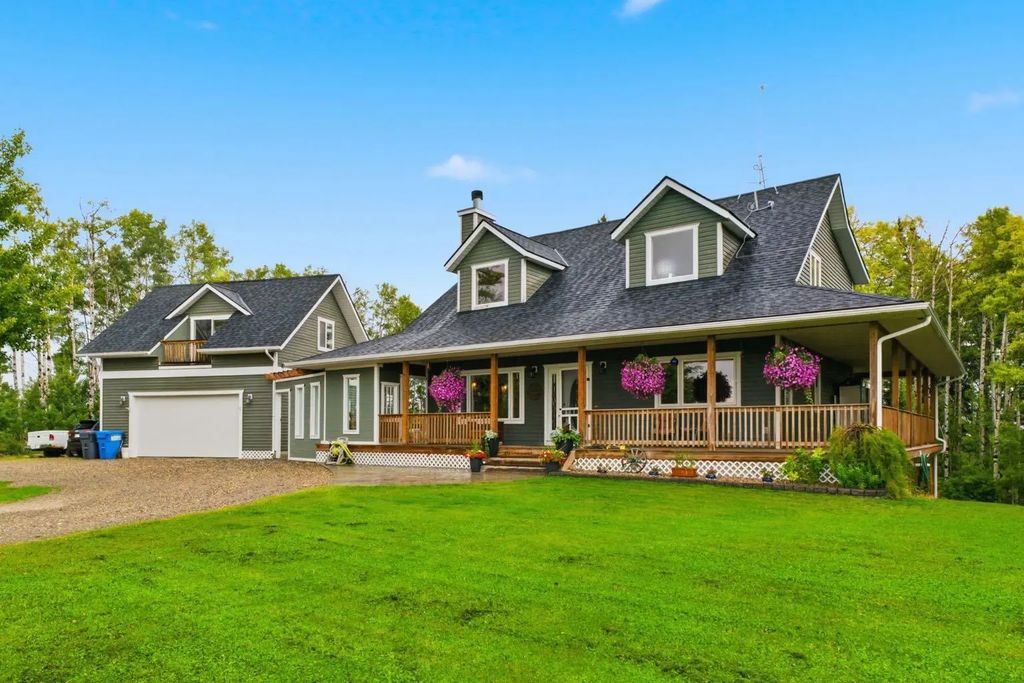
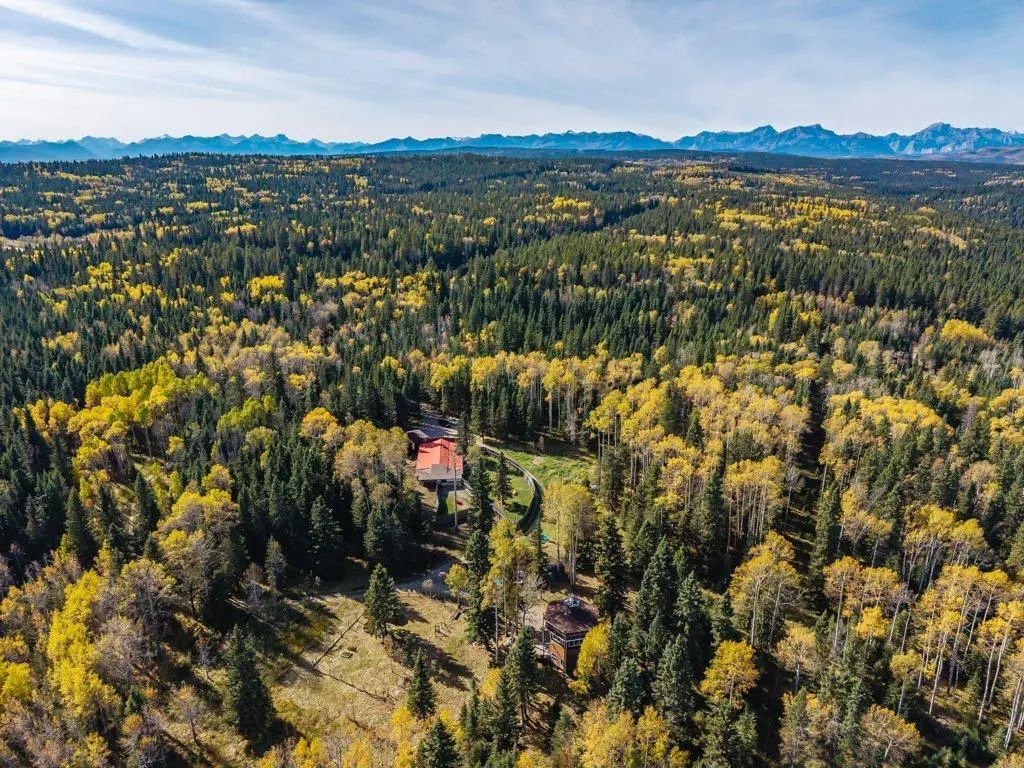
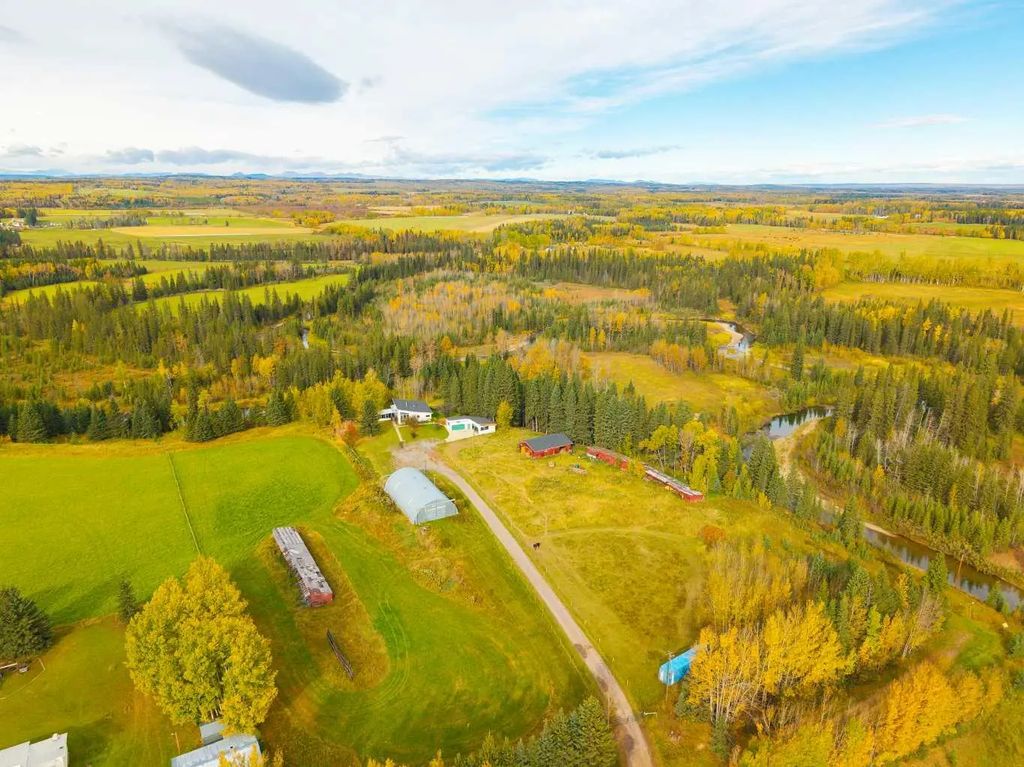
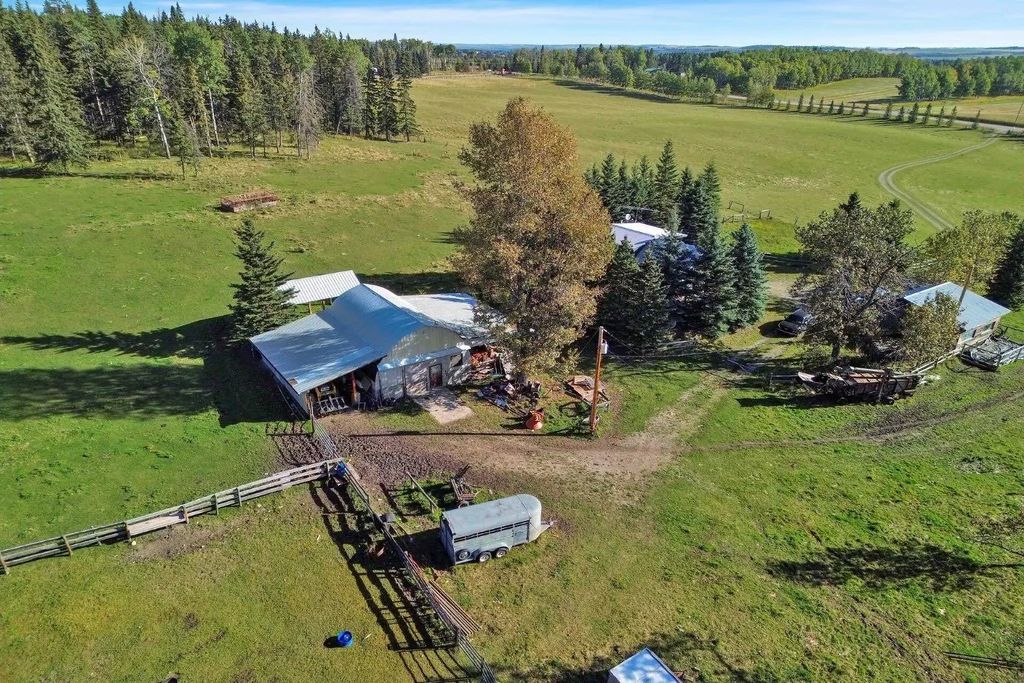

Find Your Dream Acreage in the M.D. of Bighorn No.8, Alberta
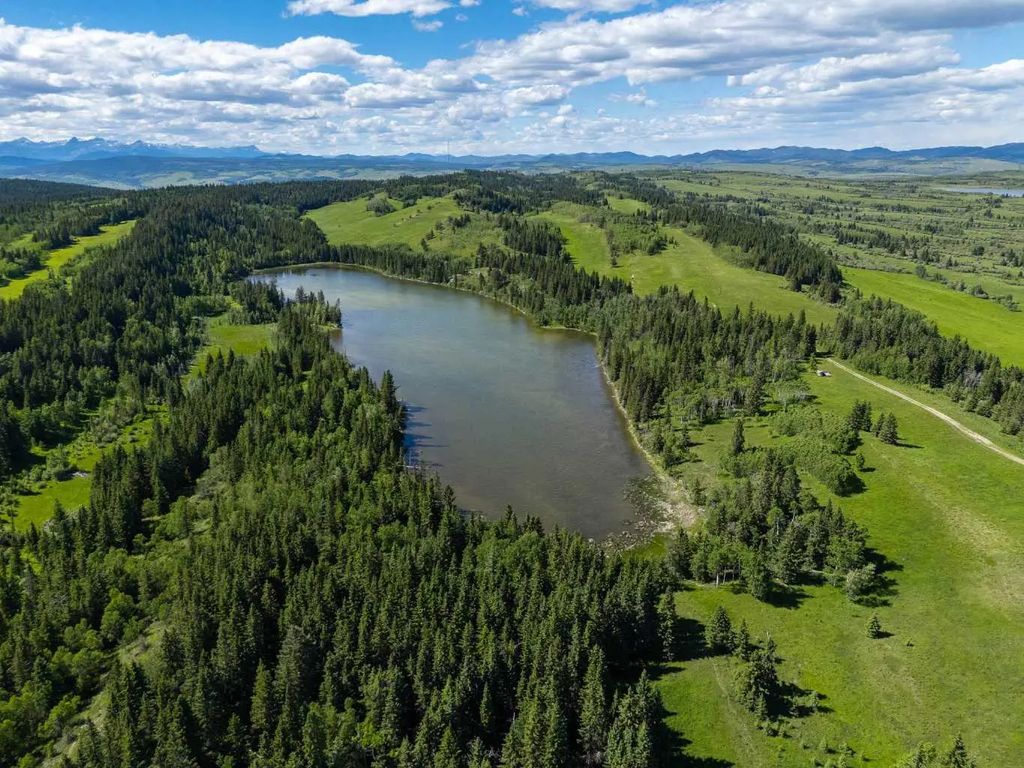
The Municipal District of Bighorn No. 8 covers foothills and mountains west of Calgary, stretching from Rocky View County to the British Columbia border. This isn't typical acreage territory. Properties sit in transition zones between prairie and alpine settings, with terrain that includes rolling foothills and mountain valleys.
Exshaw, Lac des Arcs, and areas near Canmore anchor the accessible portions of the M.D., while remote sections extend into backcountry with limited services. If you want mountain proximity, outdoor access, and natural settings removed from urban Alberta, Bighorn delivers in ways few municipalities can match.
The M.D. has a small population spread across a large geographic area. Services are limited, development is restricted by geography and environmental regulations, and much of the district exists as Crown land or protected areas. This creates both opportunities and constraints depending on what you're looking for.
Why Choose the M.D. of Bighorn for Your Acreage?
Mountain access defines why people search here. You're not driving an hour to reach hiking trails or ski resorts. You live adjacent to them. Kananaskis Country, Banff National Park, and countless trail systems form your immediate surroundings rather than weekend destinations.
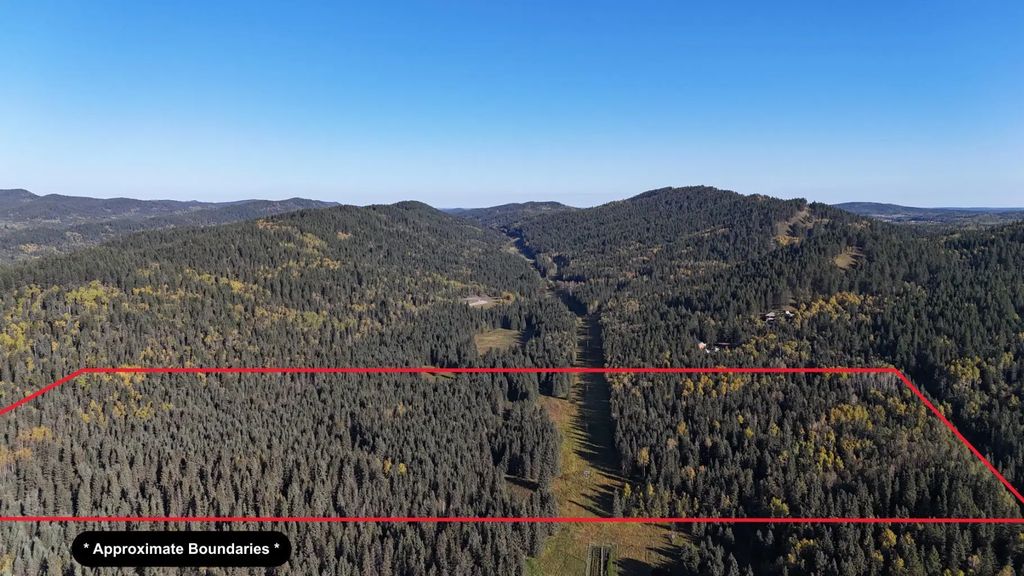
The landscape differs from typical acreage counties. Trees, slopes, creeks, and rock formations create properties with natural features that don't exist on prairie land. If topography matters to you, Bighorn offers settings that flat agricultural counties simply can't provide.
Privacy comes naturally due to lower population density and geographic isolation. Properties tend to be larger, neighbors are further apart, and the district's mountain location creates a buffer from Calgary's development pressure. If solitude and distance from urban areas are priorities, Bighorn provides both.
Wildlife is abundant throughout the area. Deer, elk, bears, cougars, and other species inhabit the region year-round. This appeals to people who want to live alongside wildlife but requires awareness and management that suburban or prairie acreages don't demand.
Property costs vary dramatically based on location and accessibility. Remote parcels with limited access can be relatively affordable, while land near Canmore or with mountain views trades at premium prices. The market serves buyers at different price points depending on what you're willing to accept in terms of access.
Communities and Areas in the M.D. of Bighorn
The M.D. of Bighorn doesn't have traditional town centers. Instead, it includes several hamlets and unincorporated areas that serve as reference points.
Exshaw is a small community east of Canmore known primarily for its cement plant. The hamlet provides basic services and represents the most accessible residential area in the eastern part of the M.D. Properties near Exshaw offer mountain views and reasonable access to Highway 1A while maintaining affordability compared to Canmore.
Lac des Arcs is a small lake community along Highway 1A between Exshaw and Canmore. The area appeals to people who want lake access combined with mountain surroundings. Properties here are limited and tend to be priced higher due to water frontage.
Areas near Canmore technically fall within the M.D. of Bighorn but trade at prices reflecting Canmore's resort town status. These properties offer immediate access to town amenities, mountain recreation, and tourism infrastructure while sitting just outside municipal boundaries. Expect premium pricing and competition from buyers seeking Canmore proximity without town taxes.
Western and backcountry areas include remote properties with limited or seasonal access. These parcels appeal to buyers looking for off-grid living, wilderness settings, or recreational land rather than year-round residences. Services are minimal to nonexistent, and buyers need self-sufficiency.
What Living in the M.D. of Bighorn Actually Means
Infrastructure is limited compared to counties closer to Calgary. Many properties operate on well water or surface water sources, with septic systems or alternative waste management. Electricity may be available depending on location, but remote parcels often require solar or generator power.
Road access varies significantly. Some properties sit on maintained gravel roads with year-round access, while others require four-wheel drive and may be inaccessible during certain seasons. Winter access is critical to consider. Snow, ice, and elevation make some properties difficult or impossible to reach from November through April.
Services are sparse. The M.D. doesn't have hospitals, major shopping, or extensive emergency response infrastructure. Canmore provides the nearest full services, and Calgary is 60-90 minutes away depending on location and road conditions. If you need regular healthcare, shopping, or services, this adds significant drive time.
Wildlife management becomes part of daily life. Bear-proofing garbage, securing livestock, and understanding wildlife behavior aren't optional. They're necessary for coexisting with animals that see your property as part of their territory. This appeals to some buyers and disqualifies the area for others.
The tradeoff for these challenges is living in settings that most people only visit. Waking up to mountain views, having trails accessible from your property, and experiencing seasons in ways that don't happen on prairie land create a lifestyle distinct from typical acreage living.
Remote work is possible if you can manage internet connectivity. Satellite internet works but comes with limitations on speed and data. Some areas near Exshaw or Canmore have better connectivity, but don't assume reliable high-speed internet without verification.
Community exists but functions differently than in populated counties. Neighbors may be kilometers apart, and social connections often form around shared activities like skiing, hiking, or wildlife management rather than proximity. People who thrive here tend to be self-reliant and comfortable with isolation.
M.D. of Bighorn Real Estate Market
The market in Bighorn is small and specialized. Properties don't list frequently, and buyers tend to have specific reasons for looking here rather than searching broadly across multiple counties.
Affordable parcels exist, particularly for remote or recreational land. Properties with limited access, no services, or seasonal constraints can start in the $100,000-$300,000 range. These appeal to buyers seeking recreational land, off-grid projects, or long-term holds rather than primary residences.
Properties with good access near Exshaw or Canmore start higher, typically $500,000 and up depending on size, features, and views. Mountain views, water features, or proximity to Canmore push prices into the $1 million range and beyond, competing with resort real estate rather than typical acreage markets.
Zoning in the M.D. is restrictive due to environmental concerns, watershed protection, and wildlife corridors. Development regulations limit what you can build, where you can build it, and how much disturbance is permitted. Verify zoning and development potential before purchasing. Assumptions from other counties don't apply here.
Inventory moves slowly. Properties can sit on the market for months or years because the buyer pool is small and specific. This benefits patient buyers willing to wait for the right property but challenges sellers expecting quick transactions.
Recreation and Lifestyle in the M.D. of Bighorn
Outdoor activities define life here. Hiking, mountain biking, skiing, climbing, and backcountry exploration are accessible directly from many properties or within minutes. Kananaskis Country, Banff National Park, and countless trails provide year-round recreation without crowds or fees in many areas.
Fishing is available in area streams and lakes, though regulations and access vary. Hunting occurs in designated areas during season, and many property owners participate in wildlife management programs.
Winter activities include cross-country skiing, snowshoeing, and access to world-class downhill skiing at resorts in Canmore, Nakiska, and Banff. Living here means skiing becomes a regular activity rather than an occasional trip.
Canmore provides urban amenities when needed: restaurants, shopping, healthcare, and cultural events. The town functions as the service center for the region, though prices reflect its resort town status.
Calgary is accessible for major shopping, specialized services, or employment, but the drive time and mountain highway conditions make daily commuting impractical for most people. Residents here either work locally, remotely, or have accepted longer commutes as part of their lifestyle choice.
Ready to Find Your M.D. of Bighorn Property?
We work with buyers interested in mountain and foothills properties and understand the considerations involved in purchasing land in the M.D. of Bighorn. Whether you're looking for recreational land, a mountain retreat, or a year-round residence, we'll help you evaluate properties based on access, services, zoning, and realistic use.
Our team can connect you with specialists who understand mountain property development, off-grid systems, and the regulatory environment in the M.D. We're not here to romanticize mountain living. We're here to help you make informed decisions about properties that match your actual needs and capabilities.
Frequently Asked Questions About M.D. of Bighorn Properties
How much does property cost in the M.D. of Bighorn?
Property prices in the M.D. of Bighorn range from $100,000 for remote recreational land to over $1 million for developed acreages with mountain views near Canmore. Remote parcels with limited access and no services start around $100,000-$300,000, while properties with good access near Exshaw begin around $500,000. Premium properties near Canmore with views and amenities exceed $1 million and compete with resort real estate markets.
How far is the M.D. of Bighorn from Calgary?
The M.D. of Bighorn begins approximately 60 kilometers west of Calgary near the Rocky View County boundary. Properties near Exshaw are about 60-75 minutes from Calgary via Highway 1, while areas near Canmore push 90 minutes. Winter driving conditions, mountain highways, and weather can significantly affect travel times, making daily commutes to Calgary impractical for most residents.
Can you live year-round in the M.D. of Bighorn?
Some properties support year-round living, while others are seasonal or recreational only. Year-round residence requires reliable road access during winter, adequate heating systems, and ability to manage snow and cold. Many remote properties become inaccessible during winter months due to snow, elevation, or road conditions. Verify access and services before assuming year-round viability for any property.
What services are available in the M.D. of Bighorn?
Services are limited throughout the M.D. Most properties operate on well water or surface water sources with septic systems. Electricity availability depends on location. Some areas have grid access while remote properties require solar or generator power. Internet is primarily satellite with associated limitations. The nearest full services including healthcare, shopping, and emergency response are in Canmore or Calgary.
Is the M.D. of Bighorn good for wildlife viewing?
Yes, the M.D. of Bighorn has abundant wildlife including deer, elk, bears, cougars, wolves, and numerous bird species. Properties here exist within active wildlife corridors and habitat. While this appeals to people who want to live near wildlife, it also requires proper food storage, garbage management, and awareness of wildlife behavior. Bear encounters are common, and property owners need to take appropriate precautions.
Can you build on land in the M.D. of Bighorn?
Development regulations in the M.D. of Bighorn are restrictive due to environmental concerns, watershed protection, and wildlife management. Zoning varies by location, and many areas have limitations on building size, location, and impact. Some properties may be designated as recreational land only with no residential development permitted. Always verify zoning, development potential, and environmental restrictions before purchasing land with building intentions.
What is winter access like in the M.D. of Bighorn?
Winter access varies dramatically by property location. Some properties on maintained roads near Exshaw or Canmore remain accessible year-round with appropriate vehicles. Remote properties at higher elevations may become inaccessible from November through April due to snow accumulation, ice, and road conditions. Four-wheel drive is often necessary, and some properties require snowmobiles or other equipment for winter access.
How close is the M.D. of Bighorn to Canmore?
The M.D. of Bighorn includes areas immediately adjacent to Canmore, with some properties sitting just outside town boundaries. Exshaw is about 15 kilometers east of Canmore, while other parts of the M.D. extend much further into the mountains. Properties near Canmore offer the shortest access to town services but trade at premium prices reflecting that proximity.
Are property taxes lower in the M.D. of Bighorn?
Property taxes in the M.D. of Bighorn are generally lower than in resort towns like Canmore but can vary based on property assessment and location. However, lower taxes reflect lower service levels including limited road maintenance, minimal emergency response infrastructure, and no municipal water or sewer. Tax savings should be weighed against reduced services and increased property management costs.
What are the pros and cons of living in the M.D. of Bighorn?
Pros include immediate mountain and outdoor recreation access, natural settings with varied terrain, abundant wildlife and wilderness character, lower population density and genuine privacy, and potentially lower property costs for remote land. Cons include limited services and infrastructure, challenging winter access for many properties, distance from healthcare and shopping, wildlife management requirements, restrictive development regulations, and isolation that doesn't suit everyone's lifestyle or employment needs.
Browse Other Communities
