

Southern Alberta Real Estate Statistics
| Average Price | $1.5M |
|---|---|
| Lowest Price | $59.9K |
| Highest Price | $40M |
| Total Listings | 1,195 |
| Avg. Days On Market | 137 |
| Avg. Price/SQFT | $715 |
Property Types (active listings)
See the Newest Southern Alberta Acreages 1+ Acre
- All Listings
- Under $100,000
- $100,000 - $200,000
- $200,000 - $300,000
- $300,000 - $400,000
- $400,000 - $500,000
- $500,000 - $600,000
- $600,000 - $700,000
- $700,000 - $800,000
- $800,000 - $900,000
- $900,000 - $1,000,000
- Over $1,000,000
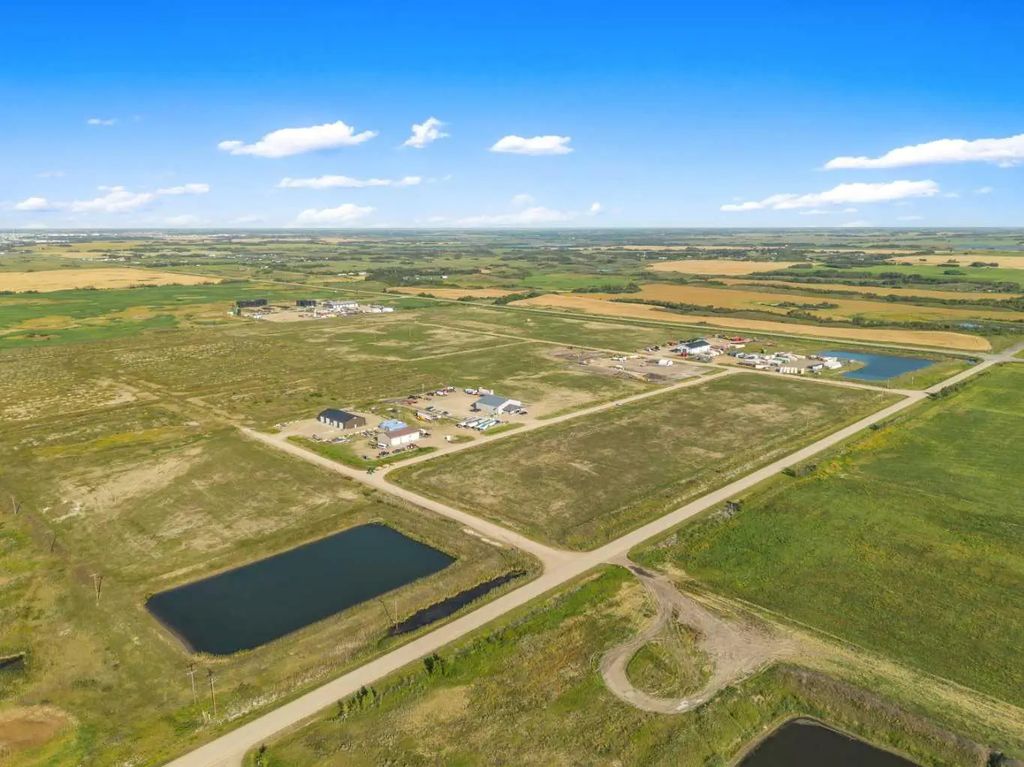
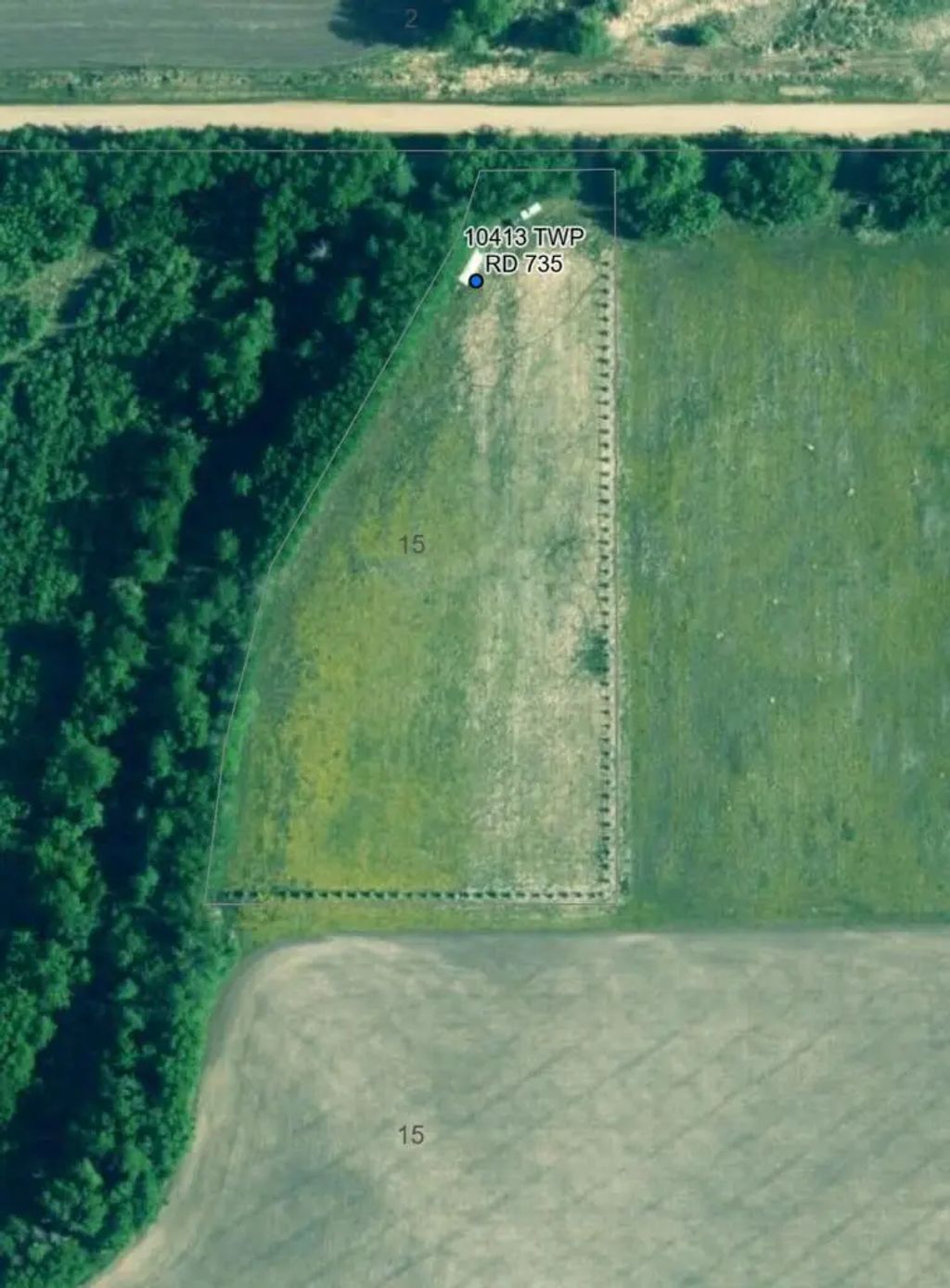
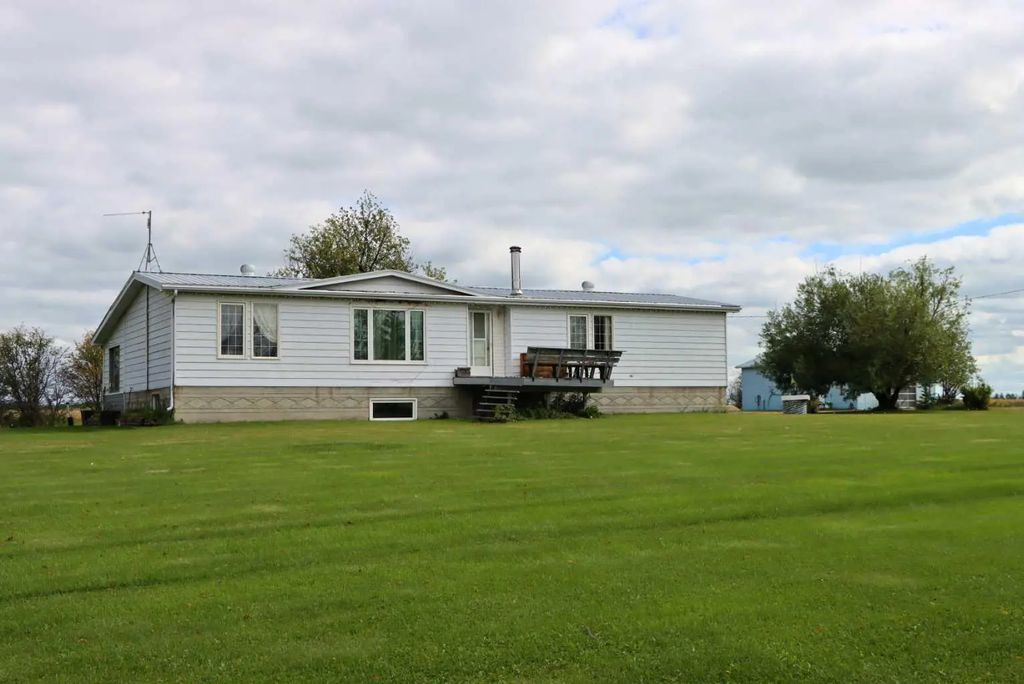
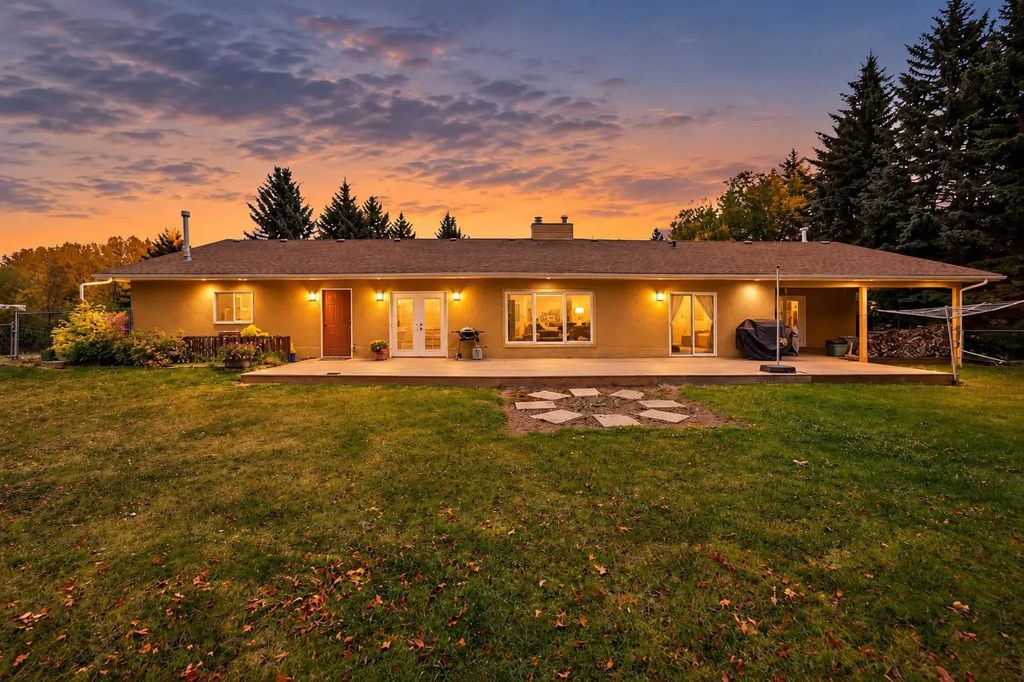
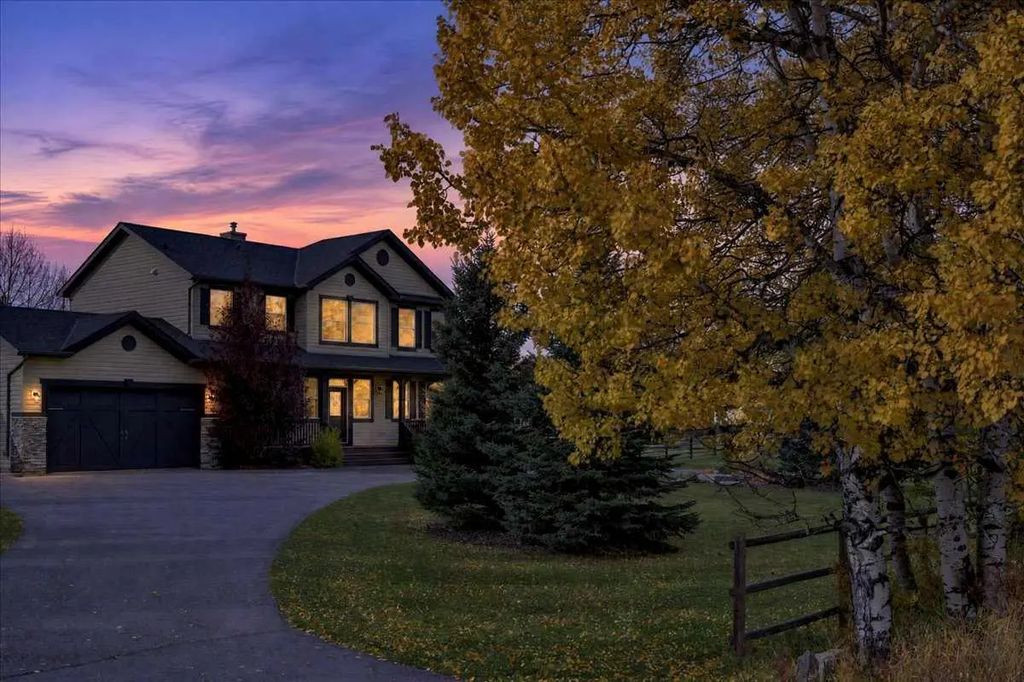
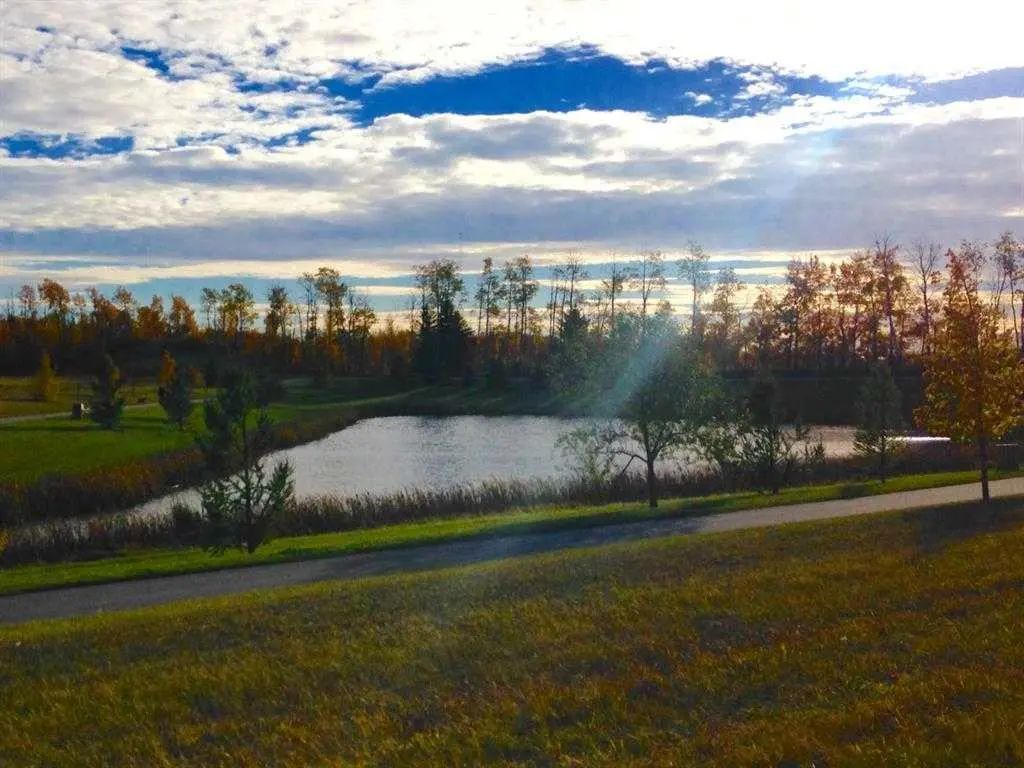
Find Your Dream Acreage in Southern Alberta
Our southern Alberta service area includes Rocky View County, Foothills County, Wheatland County, Mountain View County, Kneehill County, Red Deer County, Lacombe County, Clearwater County, Leduc County, Parkland County, Strathcona County, Sturgeon County, Wetaskiwin County, Ponoka County, Beaver County, Camrose County, and extending south through Vulcan County, Lethbridge County, Cardston County, and surrounding municipalities south of Highway 16.
Southern Alberta has long been a top choice for acreage buyers who want space, natural beauty, and access to the opportunities that come with living near major centers like Calgary, Red Deer, and Lethbridge. The region spans from the foothills of the Rockies to the prairies, offering landscapes and lifestyles that vary significantly depending on where you choose to settle.
If you're considering a move to acreage living, southern Alberta delivers options at every price point and property size. From small residential lots near city limits to expansive ranch properties with hundreds of acres, the diversity here means you can find exactly what you're looking for.
The climate is one of the main draws. Southern Alberta gets more sunshine than most of Canada, and Chinook winds moderate winter temperatures in ways that make livestock management and daily life more manageable than in regions further north. Summers are warm without being oppressive, and the growing season supports gardens, pastures, and agricultural pursuits.
Why Choose Southern Alberta for Your Acreage?
Geography plays a major role. You're never too far from employment centers, healthcare facilities, shopping, and entertainment. Calgary anchors the region with a strong job market and international airport, while Red Deer serves central Alberta, and Lethbridge supports the far south. Smaller cities and towns throughout the region provide local services without requiring constant trips to larger centers.
The economy in southern Alberta is stable and diverse. Oil and gas, agriculture, technology, tourism, and renewable energy all contribute to job opportunities and economic resilience. If you're moving from another province or looking to start a business, the tax structure and business climate are favorable compared to many other regions.
Infrastructure matters when you're living on an acreage. Roads are well-maintained year-round, internet access has expanded significantly in recent years, and utilities are reliable. You're not moving to a place where basic services are an afterthought.
For families, the school systems throughout southern Alberta are solid, with options ranging from small rural schools to larger urban facilities. Communities are tight-knit, and people look out for each other in ways that feel genuine rather than forced.
If you're into outdoor recreation, southern Alberta offers unmatched access. The Rocky Mountains are within driving distance for hiking, skiing, and camping. Countless provincial parks, rivers, and trails provide year-round activities without needing to travel far from home.
Exploring Southern Alberta by County
Southern Alberta is large and varied, so understanding the different counties helps narrow down where you might want to focus your search.
Calgary Region
The Calgary region offers the most developed infrastructure and the shortest commutes to the city's job market and amenities. Rocky View County surrounds Calgary and is one of the most sought-after areas for acreage living. Properties here range from smaller residential lots to larger estates, and prices reflect the proximity to the city.
Foothills County sits southwest of Calgary and delivers mountain views, rolling terrain, and a strong sense of community. Towns like Okotoks, High River, and Black Diamond provide local services, and the area is popular with families and retirees alike.
Wheatland County is east of Calgary and offers flatter terrain with larger properties at more affordable prices. Strathmore is the main service center, and the area is known for agriculture and wide-open spaces.
Mountain View County stretches northwest of Calgary and includes towns like Didsbury, Olds, Sundre, and Carstairs. The landscape varies from prairie to foothills, and properties here offer good value compared to areas closer to Calgary. Olds stands out for its municipal fiber internet and agricultural college.
Kneehill County sits north of Calgary and delivers some of the most affordable acreage options in the region. Communities like Three Hills, Trochu, and Carbon maintain strong agricultural roots, and properties here provide significant land at prices that make space accessible rather than aspirational.
Red Deer and Central Alberta
Red Deer County surrounds the city of Red Deer and serves as a hub for central Alberta. The area offers a balance between Calgary and Edmonton, making it practical for people who need access to both cities or who work in the region's diverse economy.
Lacombe County is just south of Red Deer and includes the town of Lacombe, known for its historic downtown and strong agricultural community. Properties here are often larger and more affordable than those closer to Calgary, with a genuine small-town atmosphere.
Clearwater County sits west of Red Deer and includes Rocky Mountain House. If you're looking for treed properties, access to Crown land, and a more rugged lifestyle, this area delivers. It's popular with people who hunt, fish, and spend time in the backcountry.
Edmonton Region (Southern Portions)
Leduc County sits directly south of Edmonton and is popular for acreages due to proximity to the capital city. Properties here balance access to Edmonton's job market with rural living.
Parkland County is west of Edmonton and offers a mix of rolling terrain, treed properties, and open farmland. Stony Plain and Spruce Grove provide local amenities without needing to enter the city.
Strathcona County includes Sherwood Park and extends east toward Beaver County. This area is popular with families due to its schools and recreation options while still offering space and privacy on acreages.
Wetaskiwin County, Ponoka County, Beaver County, and Camrose County extend south and east of Edmonton, offering larger properties at lower prices for buyers willing to be further from major urban centers.
Far Southern Alberta
Lethbridge County anchors the far south and offers a different climate and landscape than the Calgary region. The area is sunnier and drier, with longer growing seasons and milder winters. Agriculture is the economic foundation, and properties here tend to be larger and more focused on farming or ranching.
Vulcan County sits between Calgary and Lethbridge and is known for its wide-open prairie and strong agricultural community. If you're looking for significant land at lower prices, this area is worth considering.
Cardston County is near the Montana border and offers proximity to Waterton Lakes National Park. The area is stunning, with mountain views and access to outdoor recreation, but it's further from major centers.
What Acreage Living in Southern Alberta Actually Looks Like
Let's be clear about what you're getting into. Acreage living requires more work than city life. You'll likely have a well and septic system, both of which need maintenance. Snow removal, lawn care, fence repairs, and general upkeep are ongoing responsibilities that take time and sometimes money.
If you're keeping animals, there's feeding, shelter, veterinary care, and daily management to consider. Livestock don't take days off, and winter adds extra challenges with water, feed, and keeping animals comfortable during cold snaps.
The community aspect is real. Rural areas in southern Alberta tend to have strong social networks, and people genuinely help each other out. Whether it's lending equipment, sharing knowledge, or just checking in during tough weather, the sense of connection is something many people value.
Southern Alberta Real Estate Market Overview
The acreage market in southern Alberta varies widely depending on location, property size, and features. Closer to Calgary, smaller acreages (2-5 acres) with modern homes typically start around $700,000 and can exceed $1.5 million for premium properties with outbuildings and views.
Further out in counties like Kneehill, Vulcan, or Wheatland, you'll find larger properties at lower prices. It's not uncommon to see 10-40 acre parcels with older homes in the $400,000-$600,000 range, depending on condition and location.
The Red Deer region tends to fall somewhere in between, with prices generally lower than Calgary but higher than far southern or eastern areas. Lacombe and Clearwater counties offer good value, particularly if you're willing to take on properties that need some work.
Zoning varies by county, but most acreages allow for residential use with some agricultural activity. That means horses, chickens, gardens, and small-scale livestock are typically permitted. Larger commercial operations or additional dwellings may require permits or rezoning, so it's important to verify what's allowed before purchasing.
Inventory fluctuates seasonally, with more properties listed in spring and summer. Winter can be a good time to find deals, as fewer buyers are actively searching and sellers may be more motivated.
Things to Do in Southern Alberta
Southern Alberta offers year-round recreation and activities. The Rocky Mountains are within a few hours' drive from most areas, providing access to world-class skiing, hiking, camping, and mountain biking. Banff, Canmore, Kananaskis, and Waterton Lakes National Park are all accessible for weekend trips or day outings.
Closer to home, provincial parks, reservoirs, and river systems offer fishing, boating, and wildlife viewing. Ghost Lake, Chain Lakes, and the Bow River are popular spots for people who enjoy spending time on the water.
For families, communities throughout southern Alberta host farmers' markets, rodeos, fairs, and seasonal festivals. Towns like High River, Okotoks, Olds, and Lacombe have their own identities and local culture beyond just serving as bedroom communities for larger cities.
If you're into agriculture or livestock, organizations like 4-H, agricultural societies, and local clubs provide opportunities to connect with others and learn. Many communities have equestrian clubs, cattle associations, and other groups that support rural lifestyles.
Calgary, Red Deer, and Lethbridge offer urban amenities when you need them. Professional sports, concerts, museums, shopping, and dining are all accessible without being part of your daily routine.
Ready to Find Your Southern Alberta Acreage?
We work with buyers throughout southern Alberta and understand the differences between regions, counties, and property types. Whether you're moving from the city, relocating from another province, or looking for a specific type of acreage, we'll help you find properties that match your criteria.
Our team knows the local markets, zoning regulations, and what to look for when evaluating acreage properties. We connect buyers with lenders, inspectors, and other professionals who understand rural real estate. We're not here to push you into something that doesn't fit. We're here to help you make an informed decision.
Frequently Asked Questions About Southern Alberta Acreages
How much does an acreage cost in southern Alberta?
Acreage prices in southern Alberta range from $400,000 to over $2 million depending on location, size, and features. Properties near Calgary typically start around $700,000 for smaller acreages, while counties further out like Vulcan, Wheatland, or Kneehill offer larger properties in the $400,000-$600,000 range. Premium properties with mountain views, modern homes, and extensive outbuildings can exceed $1.5 million.
Which counties in southern Alberta are best for acreages?
Rocky View County, Foothills County, and Mountain View County are the most popular due to proximity to Calgary and developed infrastructure. Red Deer County and Lacombe County offer good value in central Alberta, while Wheatland County and Kneehill County provide larger properties at lower prices. The best county depends on your commute needs, budget, and lifestyle priorities.
Is southern Alberta warmer than northern Alberta?
Yes, southern Alberta has a milder climate than northern regions. Chinook winds bring warm air from the mountains during winter, causing rapid temperature increases and melting snow. Southern Alberta also receives more sunshine annually than most of Canada, and growing seasons are longer, making it easier to maintain gardens and manage livestock year-round.
How far is Rocky View County from Calgary?
Rocky View County completely surrounds Calgary, so distances vary depending on the specific property location. Some acreages are within 10-15 minutes of Calgary city limits, while others on the far edges of the county may be 45-60 minutes away. Most properties offer commute times of 20-40 minutes to downtown Calgary.
What utilities are available on acreages in southern Alberta?
Most acreages outside municipal boundaries use well water and septic systems. Electricity is standard across all properties, and high-speed internet availability has improved significantly in recent years, though some remote areas may still rely on satellite service. Natural gas availability varies by location, with some properties connected to lines and others using propane for heating.
Can you have horses on an acreage in southern Alberta?
Yes, horses are permitted on most acreages throughout southern Alberta. Many properties are specifically designed for equestrian use with barns, riding arenas, and fenced pastures. Zoning regulations vary by county, but residential agricultural zoning typically allows horses and other livestock without requiring special permits.
Can you grow a garden in southern Alberta?
Yes, southern Alberta's climate supports successful gardening. The region receives plenty of sunshine, and growing seasons typically run from May through September, with some variation depending on elevation and specific location. Chinook winds and milder winters make it easier to maintain perennial plants and fruit trees compared to northern Alberta.
What is the commute like from Mountain View County to Calgary?
The commute from Mountain View County to Calgary typically ranges from 45-75 minutes, depending on where you live within the county and where you work in the city. Properties near Airdrie or closer to Highway 2 have shorter commutes, while acreages near Sundre or Olds add significant drive time. Most residents find the tradeoff worthwhile for the space and lower property costs.
Are property taxes lower in southern Alberta counties?
Generally, yes. Property taxes in rural counties are typically lower than in cities like Calgary or Red Deer. However, rates vary significantly between counties, and larger properties naturally pay more in absolute terms even if the rate per acre is lower. Counties like Rocky View have higher rates due to proximity to Calgary, while counties further out tend to have lower tax burdens.
What are the pros and cons of acreage living in southern Alberta?
Pros include more space and privacy, lower property costs than urban centers, room for animals and hobbies, access to outdoor recreation, milder climate with Chinook winds, and strong community connections. Cons include increased maintenance responsibilities (well, septic, snow removal, landscaping), longer commutes to work, potential limitations on high-speed internet in some areas, and the need for reliable vehicles and equipment to manage rural living.
Browse Other Communities
